The Golden Watch No One Was Supposed to Open
Chapter 5: The Children's Room
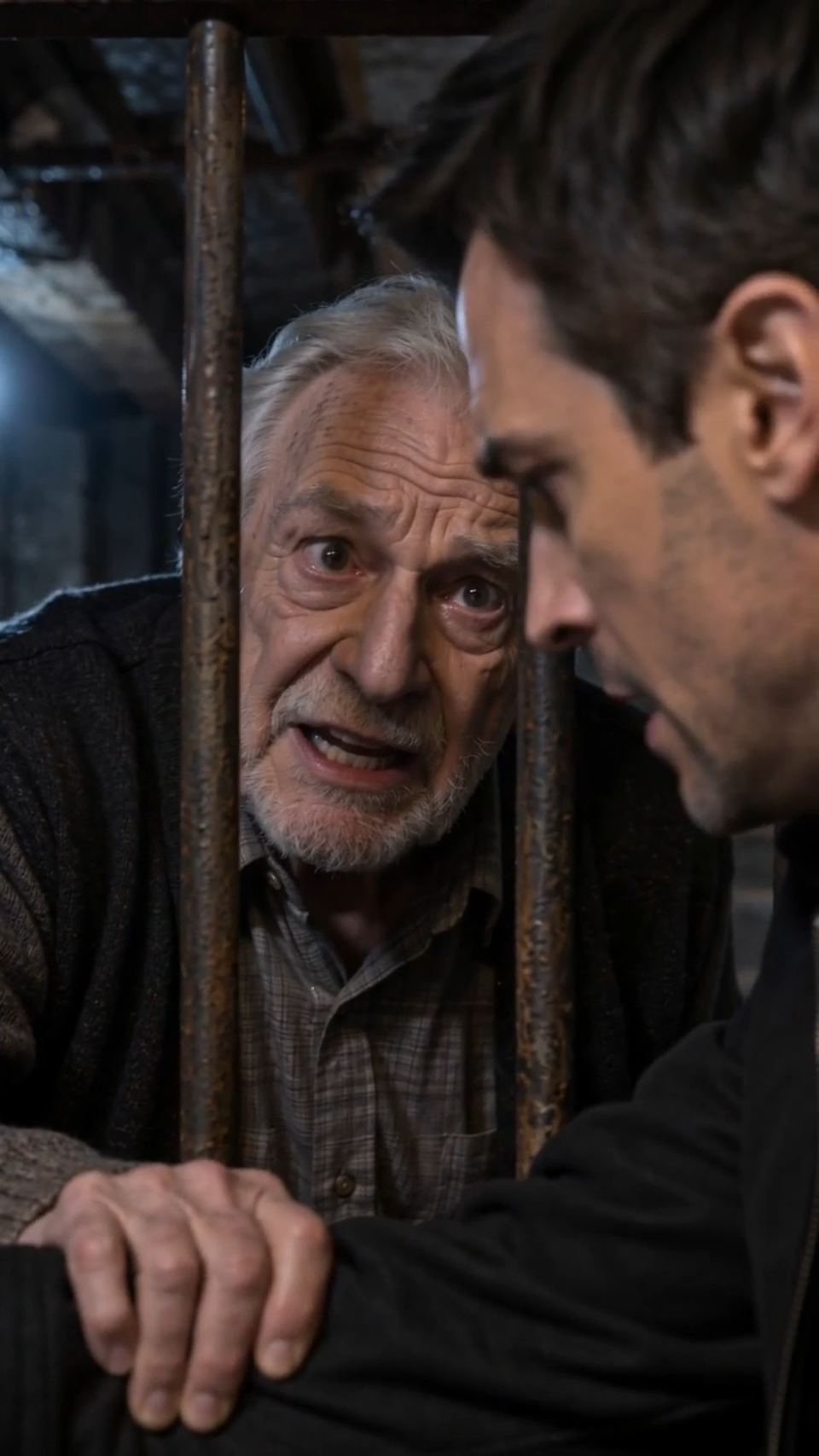
The iron door had no handle.
Only a small golden keyhole.
Henry picked up the watch, opened the hidden back, and removed the tiny key. His hands shook as he placed it into the lock.
For one terrible second, nothing happened.
Then the door clicked.
Behind it was not a prison cell.
It was a record room.
Shelves covered the walls. Boxes, files, photographs, birth certificates, medical reports, and adoption papers filled the room. On one wall hung dozens of children's portraits with numbers instead of names.
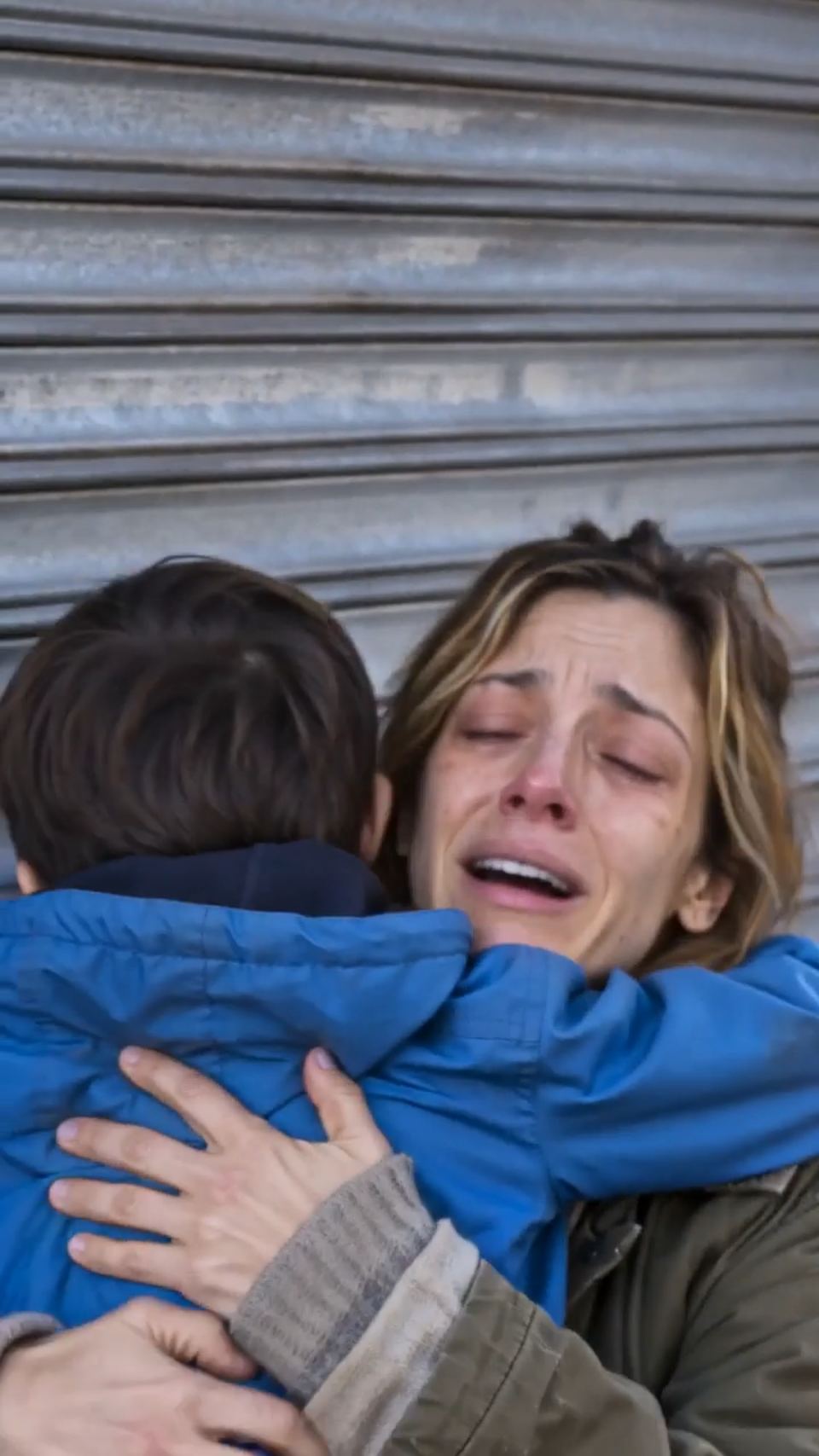
Emily leaned against Henry, breathing hard.
"This is how they erased us," she whispered.
Noah found the first box because it had his mother's old name on it.
Emily Whitmore.
Inside were letters Henry had written every month after she disappeared. None had reached her. There were photographs of Noah as a baby, medical reports on Emily's illness, and legal forms declaring her mentally unfit.
Henry's guilt nearly crushed him.
"I wrote to you," he said.
Emily touched one of the letters. "I thought you hated me."
"I thought you were dead."
Then Noah pulled another folder from the shelf.
"Grandpa," he said quietly. "There are more."
There were hundreds.
Women declared unstable. Children renamed. Inheritances redirected. Families separated and fed lies until grief became silence.
By dawn, the police had taken over Harrow House. Voss survived and was arrested. Several doctors and lawyers were taken too. The files became evidence in a massive criminal investigation.
Emily spent three weeks in the hospital.
This time, no one kept Henry away.
Noah visited every day, always carrying the golden watch. He refused to sell it now. Henry repaired it but did not polish it. The scratches mattered.
Months later, Emily stood inside Henry's jewelry shop for the first time since she was nineteen.
Noah ran behind the counter and announced that one day the shop would be his.
Henry laughed, then cried.
The golden watch rested in the display case, open to the photograph.
Beside it was a small sign:
Not for sale.
One evening, Noah asked, "Why did Mom send me here with the watch?"
Emily answered softly, "Because I knew your grandfather would remember love faster than pain."
Henry reached for her hand.
This time, she let him hold it.