The Photograph That Brought Her Back
Chapter 1: The Photograph
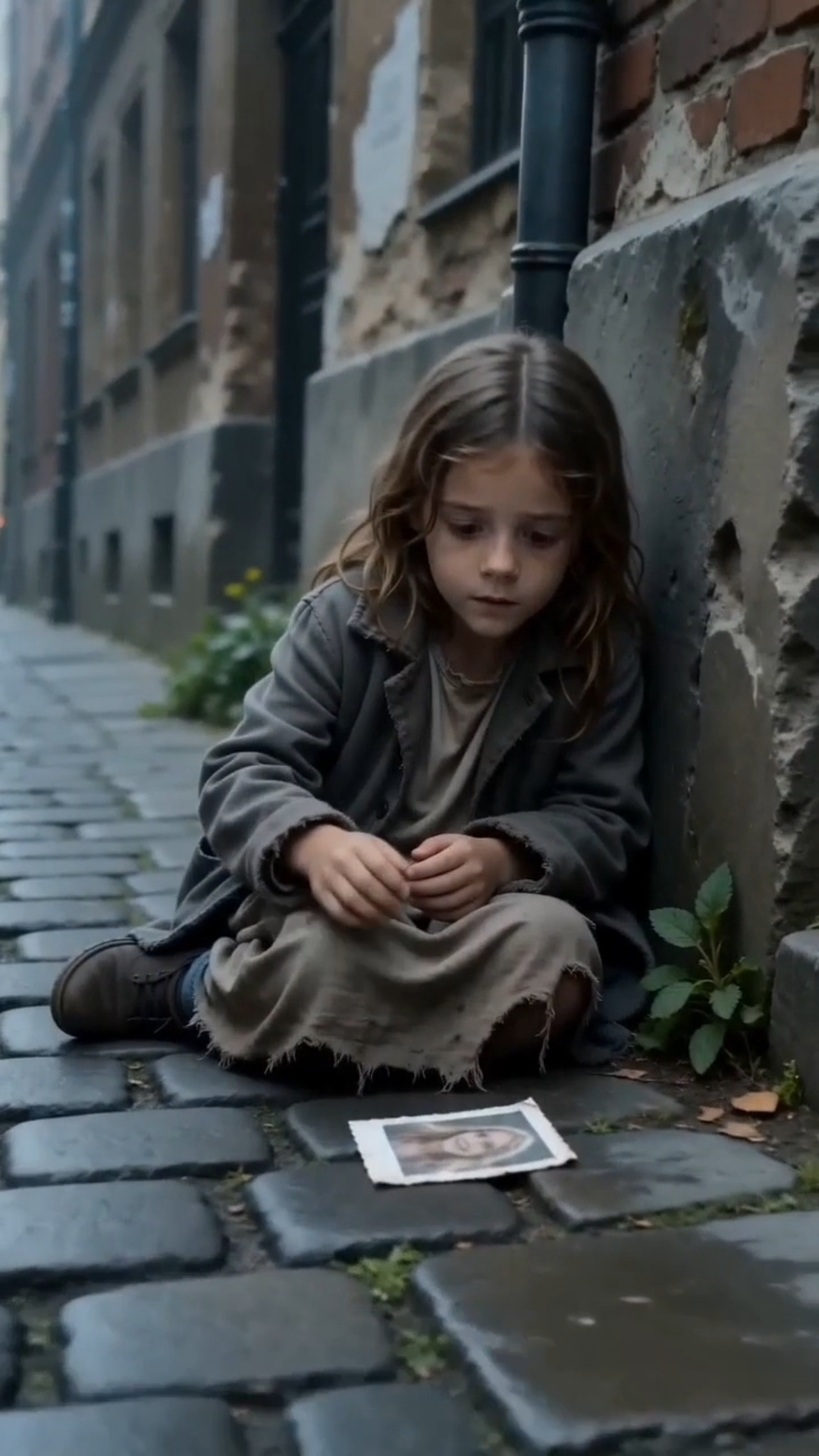
"Mister, why do you have a picture of my mommy?"
The question stopped Gabriel Laurent in the middle of the cobblestone street.
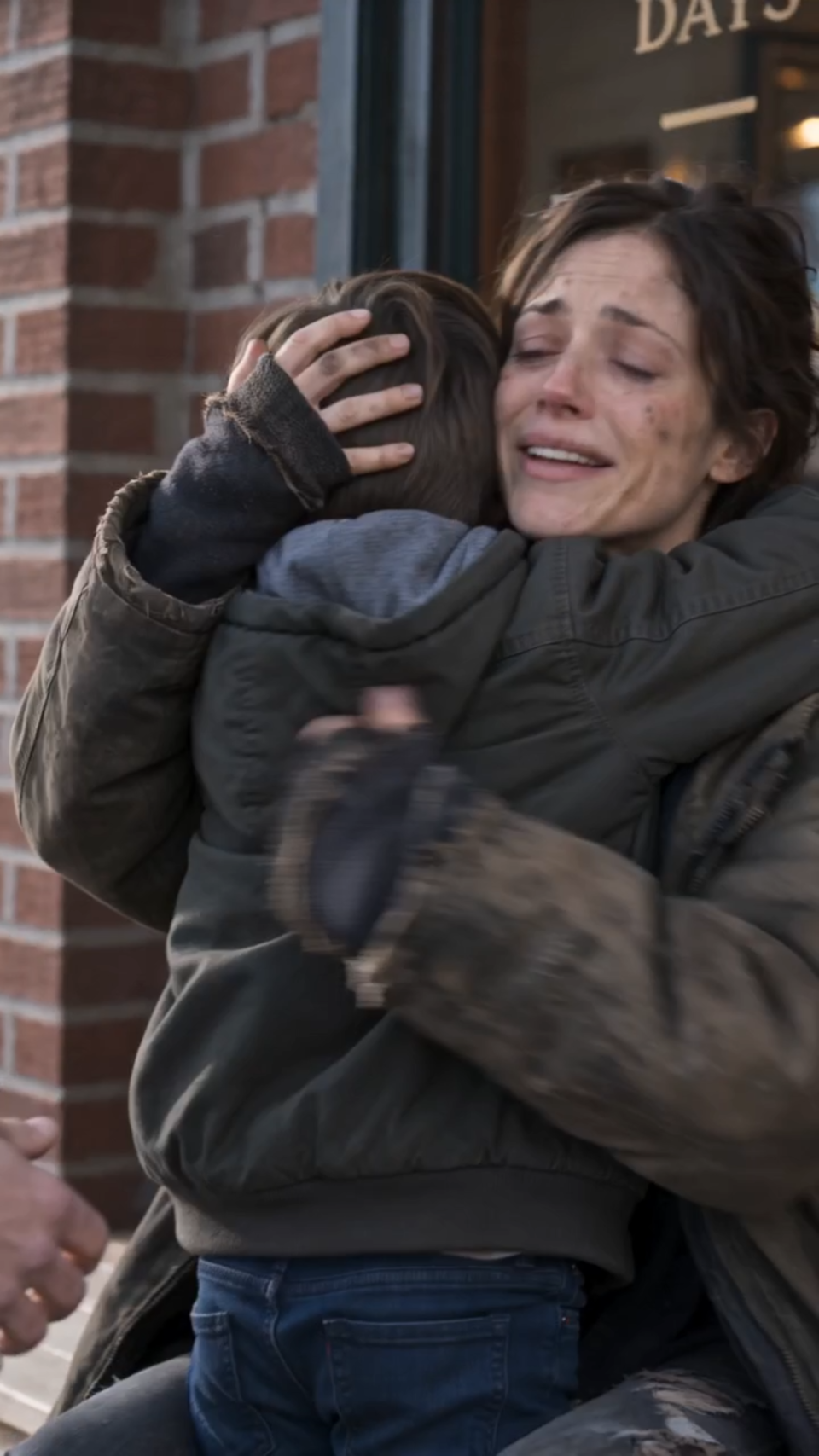
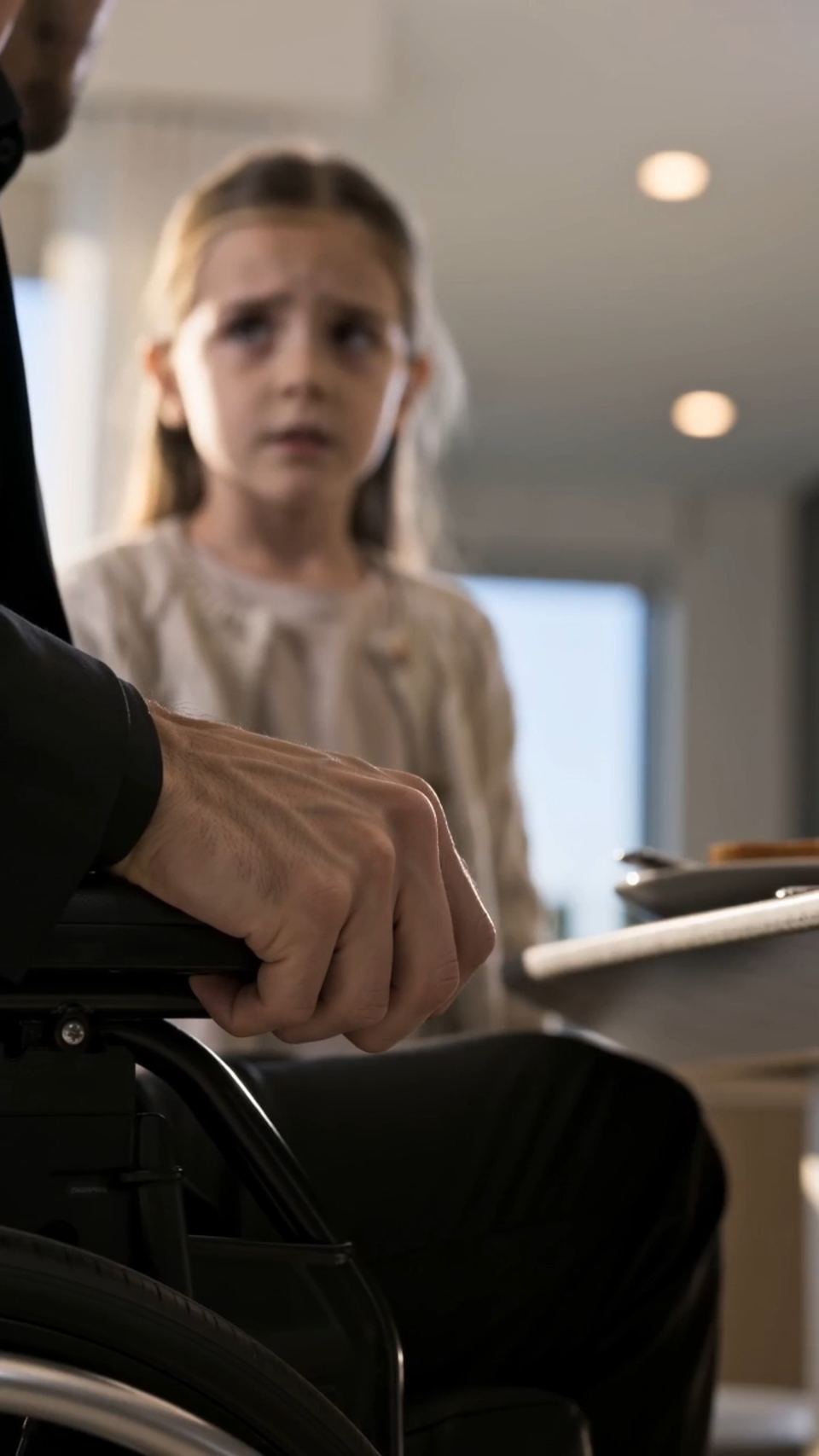
He turned sharply, his hand moving to the inside pocket of his coat, only to realize the photograph was gone. A little girl stood behind him, barefoot despite the cold morning, her dress torn, her hair tangled by the wind. She could not have been older than six. In her hand was the photograph he had carried for years: the only picture he still kept of his wife, Isabelle.
Gabriel stared at her. The street noise faded behind the pounding of his heart.
"What did you say?" he asked.
The girl lifted the photograph higher. "My mommy. Why do you have her picture?"
Gabriel stepped closer, slowly. Up close, he noticed her eyes first. Gray-green. Isabelle's eyes. The same quiet shape. The same solemn depth.
"That is my wife," he said, his voice rough. "She died years ago."
The girl's expression did not change.
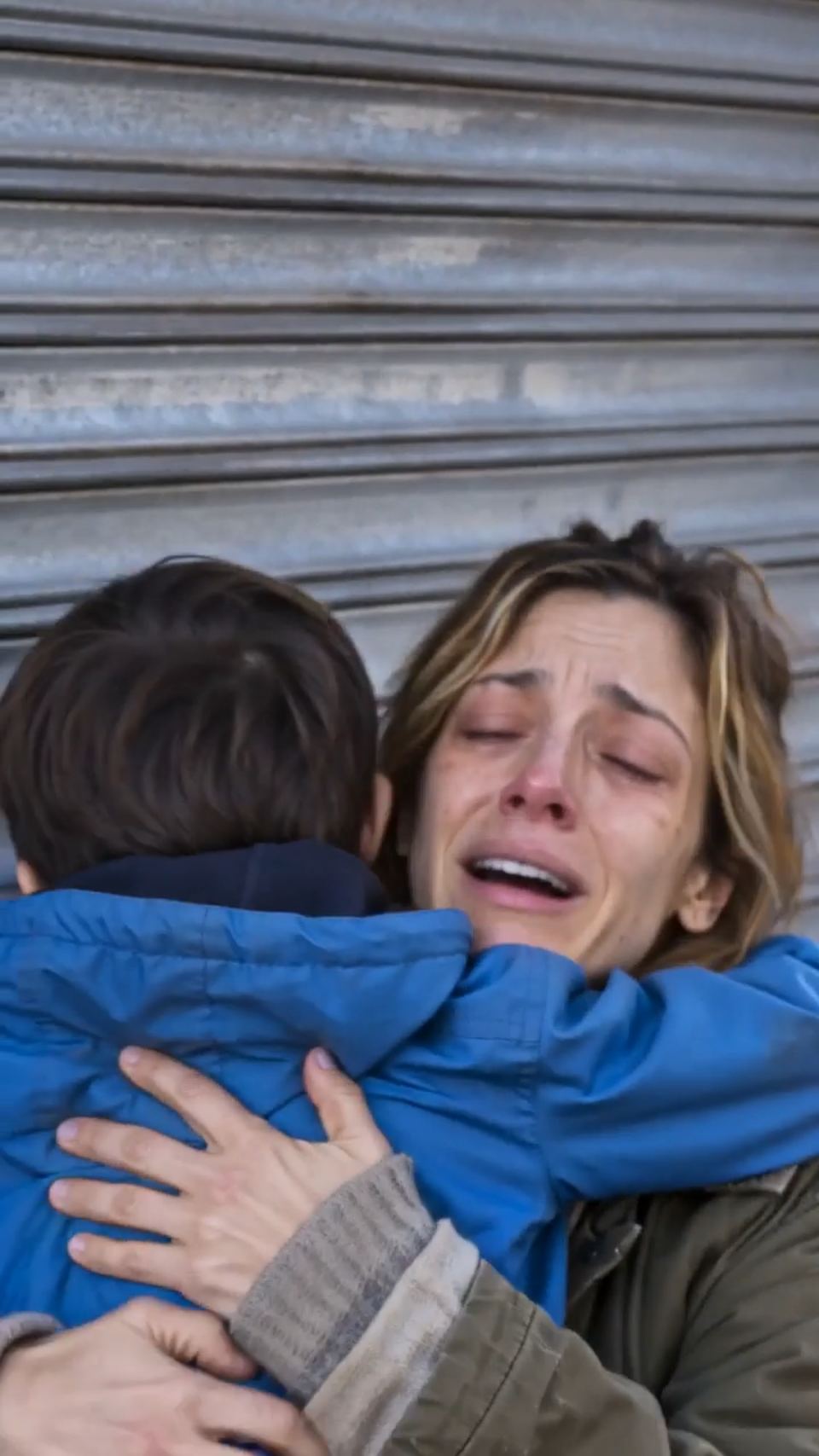
"No," she said softly. "My mom is alive."
Gabriel felt something cold spread through his chest. Six years earlier, he had buried Isabelle without seeing her body. The carriage accident had left the wreck burned and twisted. His father had insisted the remains were too badly damaged. The coffin was sealed. The priest spoke. Gabriel stood there like a man already half dead.
He had doubted it once. Then time turned the unbearable into habit.
Now this child had torn it open with one sentence.
"What is your name?" he asked.
"Lila."
"And your mother? What does she call herself?"
The girl hesitated. "Mama says not to tell strangers too much."
Gabriel knelt so they were eye level. "If your mother is the woman in that picture, I need to find her."
Lila searched his face. Then she whispered, "She said if I ever saw the man from the picture, I should ask if he still wears the silver ring."
Gabriel's breath caught.
He looked at his left hand. He still wore it. The plain silver wedding band Isabelle had given him twelve years ago.
When he looked up again, Lila's eyes were full of sorrow.
"Then it's really you," she said.
A carriage rolled into the street behind them. Lila suddenly stepped back, fear flashing across her face.
"Don't look now," she whispered. "The man with the black cane has seen us."
Gabriel turned anyway.
At the far end of the street stood his older brother, Lucien.
And Lucien was staring straight at the child.