The Maid Took Leftover Bread to the Mother He Had Buried
Chapter 3 — The Funeral He Remembered
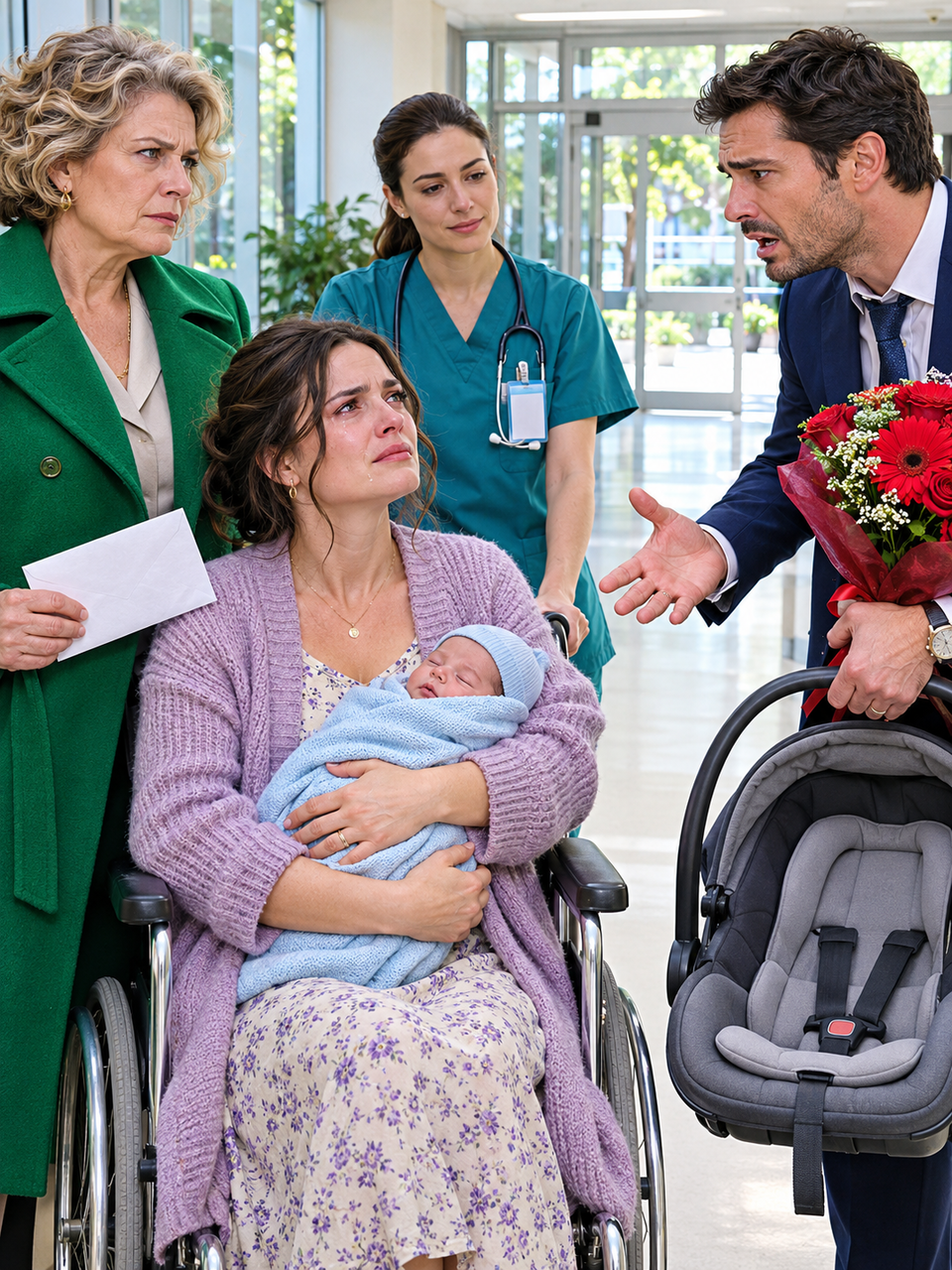
Margaret spent that night in a quiet hospital room under her own name.
Her old doctor recognized her immediately, but recognition alone would not untangle the records. Daniel agreed to the examinations and identity checks she wanted. He also contacted an independent lawyer and the police.
Richard called before breakfast.
“I hear you missed the board meeting.”
“Something came up.”
“Nothing serious, I hope.”
Daniel looked through the glass panel in his mother's door. Anna sat beside the bed, listening while Margaret described the roses that used to grow outside her kitchen.
“I'll call you later,” Daniel said.
He ended the conversation before anger could give away what he knew.
Eighteen months earlier, Margaret had suffered a head injury in a car accident. Daniel was working abroad, and a storm had delayed his flight home. Richard had handled the arrangements. By the time Daniel returned, he was told she had died from complications.
The coffin had been sealed. Richard had said it would be kinder to remember her as she was.
Daniel had accepted that kindness because he could not bear the alternative.
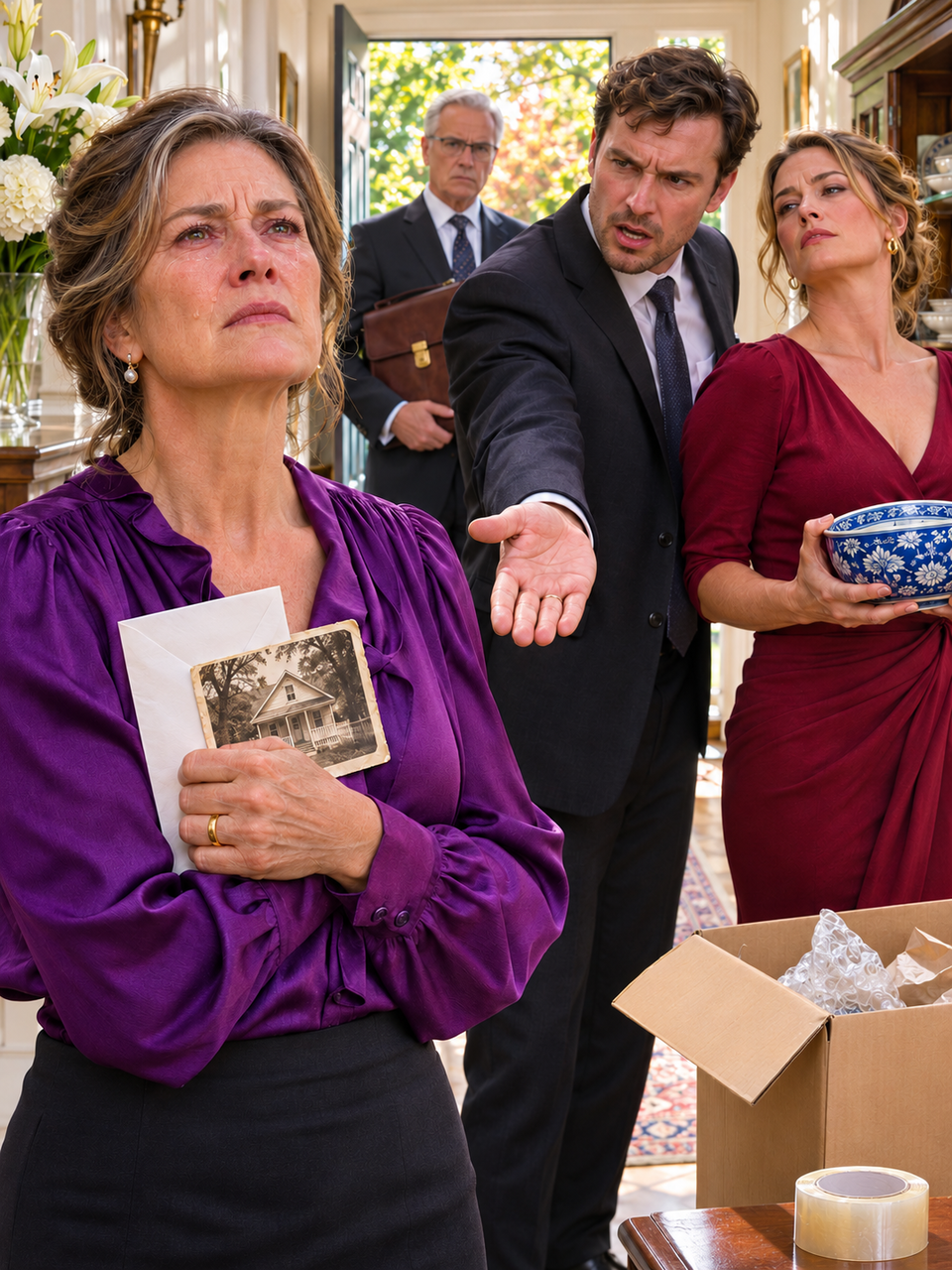
Now his lawyer asked for the original documents, not the copies Richard had emailed. The hospital named on the death paperwork found discrepancies. The care facility identified by Anna's envelope had records for a Mary Ellis, including payments from a company Daniel had never heard of.
A retired nurse remembered that woman.
“She asked for her son every day,” she told the investigator. “We were told the family didn't want contact.”
Margaret's recovery had come in fragments. She remembered being unable to form sentences. She remembered Richard sitting beside her, explaining that Daniel had signed the papers. Later, when her speech improved, she was told her calls upset him.
“He said you blamed me for the accident,” she whispered to Daniel.
“I didn't even know you were alive.”
She searched his face for a long time.
Then she began to cry—not loudly, but with the exhausted grief of someone who had been trying not to need anybody.
Daniel held her hand until she slept.
Outside, Anna waited with her coat over one arm.
“I should go. My shift starts at seven.”
“You don't have to work tomorrow.”
“I need to know whether that's permission or dismissal.”
The question stopped him.
“Paid leave,” he said. “In writing. And thank you for asking.”
For the first time that night, her shoulders relaxed.