You Fed Us When We Had Nothing
Chapter 1: The Woman on Mercer Street
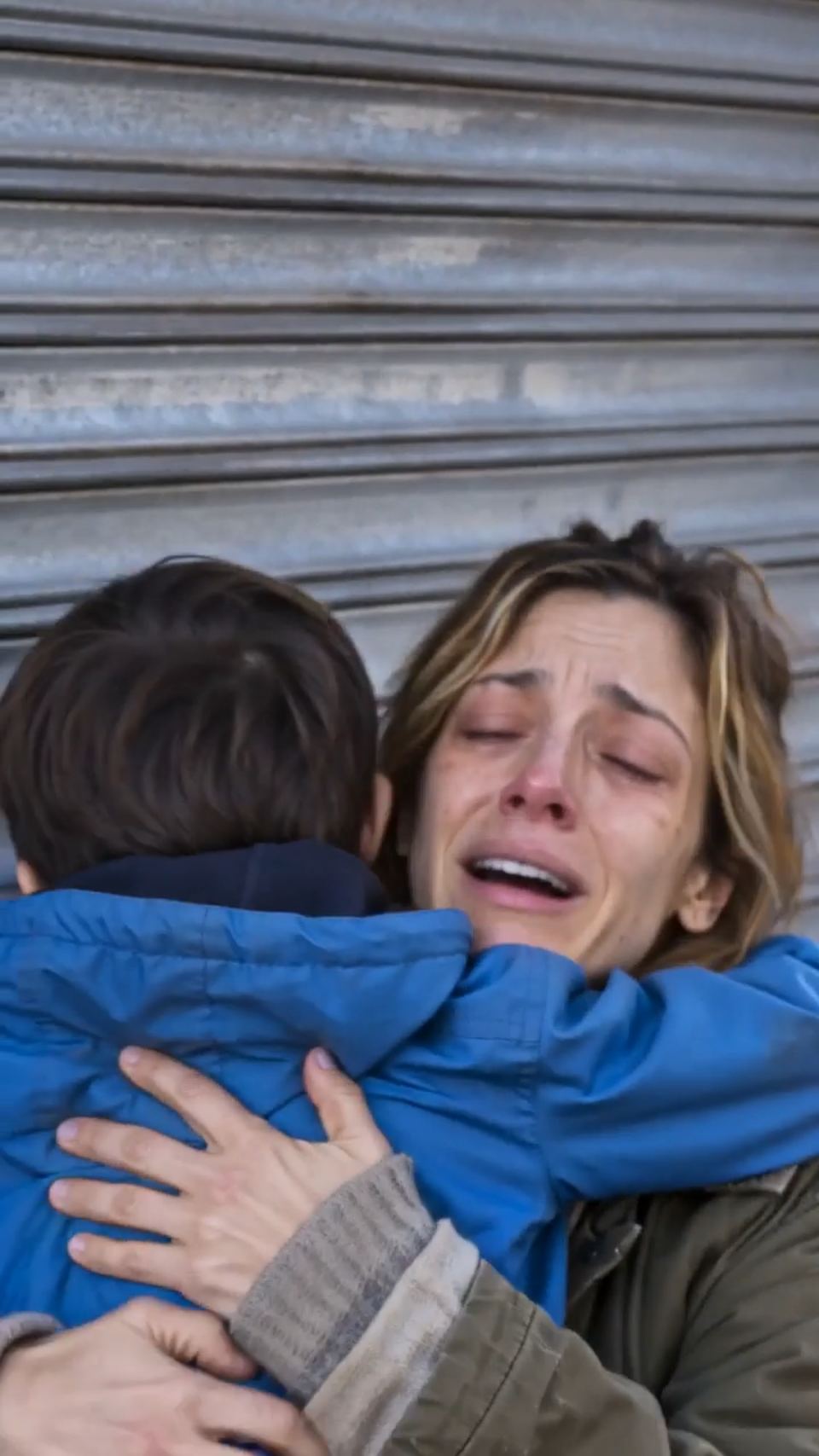
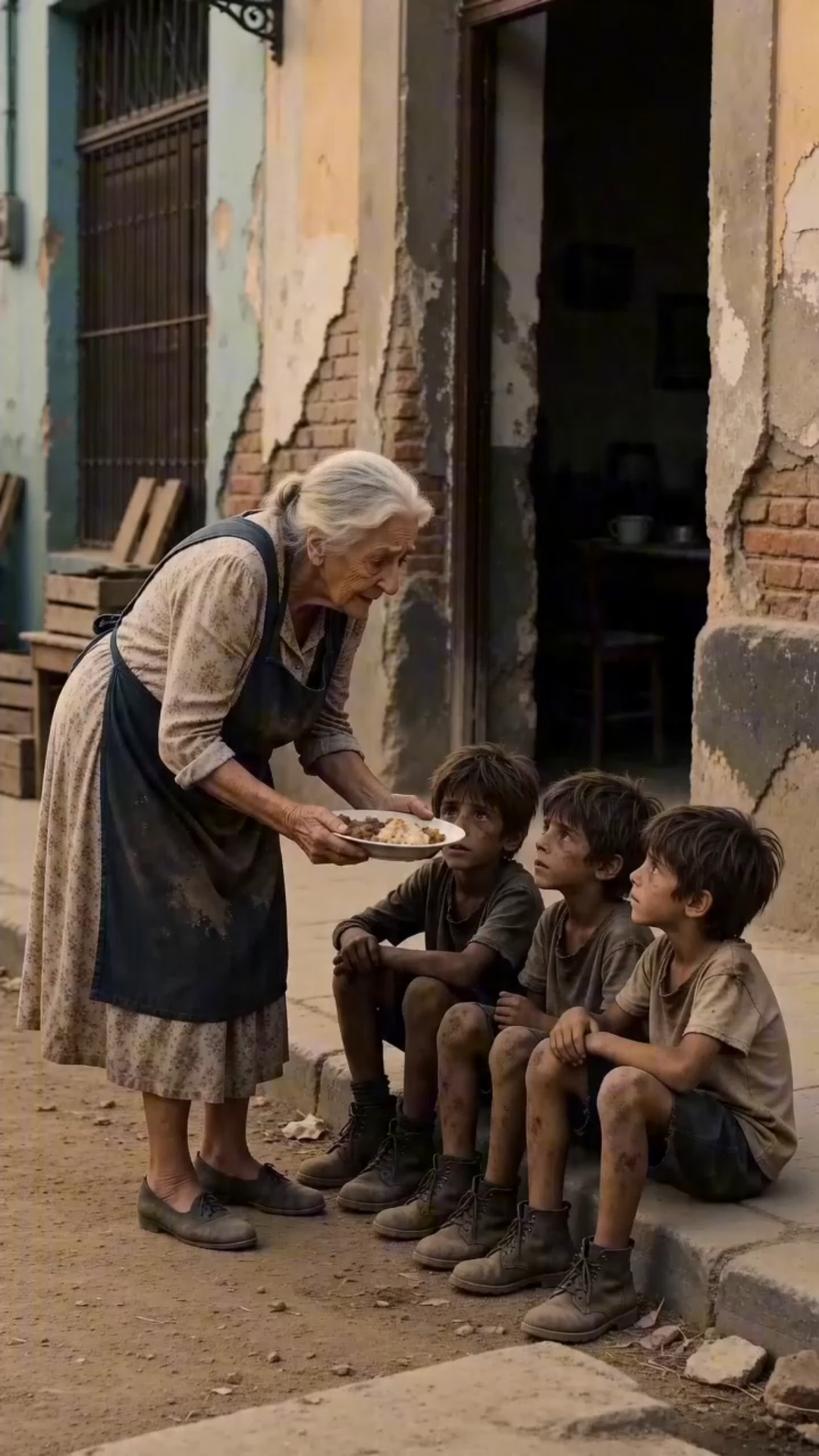
Every afternoon, before the factory whistle blew, Martha Hale carried a dented tray to the corner of Mercer Street and handed out whatever food she had. Most days, it was hard bread, thin stew, or boiled potatoes mashed with salt. It was never enough, but the children who waited for her never complained.
That morning, three little boys sat on the curb with blackened faces and torn shirts. Their knees were pulled to their chests, and their eyes followed Martha's tray with the raw hunger of children who had learned not to ask for too much.
"Slowly now," Martha said, lowering the tray. "If you eat too fast, you'll be sick."
The smallest boy nodded, though his hands were shaking. Martha broke the bread into equal pieces. She always made things equal, perhaps because life had never been fair to her.
Then the street exploded with noise.
Two black automobiles tore around the corner, tires grinding into the dirt road. Dust flew into the air, and Martha turned her face away, one arm raised to shield herself. When the dust settled, the cars stood in front of her, gleaming like they belonged to another world.
Three men stepped out.
They wore dark blue tailored suits, polished shoes, and heavy coats that probably cost more than Martha earned in a year. The boys stared as if kings had stepped from the cars.
Martha tightened her grip on the tray. Men like these did not come to streets like this unless they wanted something.
"Can I help you?" she asked carefully.
The tallest man stopped a few steps away. He looked at the tray in her hands, then at the hungry boys on the curb. His stern face softened, and his eyes reddened.
"You already did," he said quietly.
Martha frowned.
"Years ago."
The other two men lowered their heads. The leader stepped closer, his voice shaking.
"You fed us when we had nothing."
Martha searched his face. Then she saw the thin white scar through his left eyebrow.
Her breath caught.
"Tommy?" she whispered.
The man gave a broken laugh.
Before she could say more, a harsh voice came from the doorway behind her.
"Martha. Who are these men, and what are they doing at my house?"