You Fed Us When We Had Nothing
Chapter 5: The Name Above the Door
The next morning, Martha wore the only clean dress she had not already patched twice.
She nearly refused to go. Women like her were not driven downtown in chauffeured cars. They did not belong in marble districts or sit before reporters. But Tommy had asked, not ordered, and Martha had lived too much of her life in fear.
So she went.
The building stood near the freight yards, renovated but not extravagant, with brick walls, wide windows, and a fresh sign covered by a white cloth. A small crowd had gathered: reporters, workers, church representatives, and several women from Martha's boarding street.
"What is this?" Martha whispered.
Tommy helped her from the car as carefully as if she were royalty. Daniel and Elias stood beside him, both trying not to cry.
Tommy faced the crowd.
"Twelve years ago," he said, "three hungry boys were fed by a woman who had almost nothing. She did not ask our names. She did not ask what use we might be. She only saw that we were starving and chose mercy."
He turned toward Martha.
"We built a company. Today, we intend to build something better."
He pulled the cloth away.
The sign read:
THE MARTHA HALE HOME FOR WOMEN AND CHILDREN
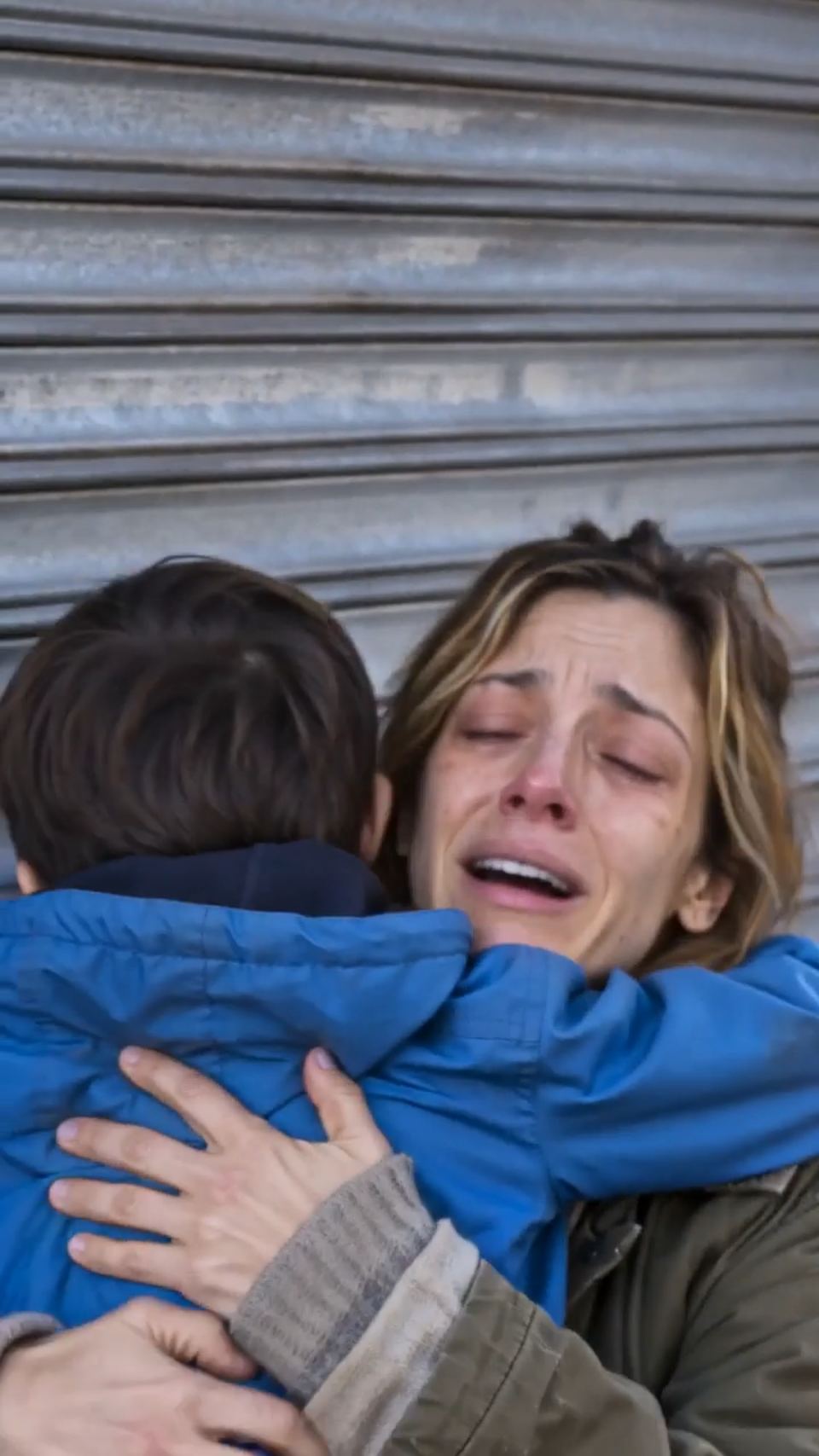
Martha covered her mouth.
Elias explained that the building would serve widows, abandoned mothers, and hungry children. Temporary rooms. Hot meals. Job training. Legal help. Medical referrals. No one would be turned away for lack of money. Daniel added that the first ten years had already been funded.
Martha shook her head. "I don't know how to run a place like this."
Tommy smiled. "You already do. You've been doing it on a street corner with a soup tray."
The crowd applauded, but Martha barely heard it. Her eyes fixed on the bronze plaque beneath the sign.
In gratitude to the woman who fed us when no one else did.
Later, Martha stood alone in the bright kitchen, surrounded by new pots, flour, bread, and clean shelves.
Tommy found her there.
"You gave us too much," she said softly.
He shook his head. "No. We gave back too little, too late."
Martha studied him. "Why did you really come yesterday?"
Tommy hesitated, then took out the old receipt. On the back, written in a child's uneven hand, were three words:
We found you.
"We've been looking for you for five years," he said. "We only found this street because one boy you fed last winter recognized me in a newspaper."
Martha laughed shakily through tears. "So one hungry child led you back."
"Yes," Tommy said.
Then he looked toward the doorway, where three street boys stood peeking in.
"Which means," he said quietly, "perhaps our story is only beginning."