You Fed Us When We Had Nothing
Chapter 4: The House of Debts
By late afternoon, half the street had gathered.
News traveled fast in poor neighborhoods, especially when black cars, rich men, and public disgrace arrived together. Women leaned from windows. Men stood near the curb. Children pretended to play while listening.
Gerald hated that most. Shame was unbearable to people who had pride but no conscience.
Tommy laid the documents across a wooden crate outside the door. Not for drama, but because he believed truth should be shown in daylight.
The boarding house records revealed months of forged signatures, withheld rent payments, stolen charity parcels, and false debts charged to widows and laborers. Gerald had been acting as an unofficial collector for the absentee landlord, skimming from everyone too poor to fight back.
Martha looked ill.
"He took Mrs. Donnelly's coal money?" she asked.
"Three winters' worth," Daniel said.
"And Mr. Price's pension advances," Elias added. "And your sewing income."
Martha closed her eyes.
Gerald burst out, "They would have lost it anyway! I kept this place running!"
"No," a voice from the crowd snapped. "You kept us afraid."
Old Mrs. Donnelly stepped forward with her cane. Others followed: a seamstress, a dockworker's widow, two elderly brothers from the back room. For years, each had carried a private suspicion, a quiet humiliation, a fear of being disbelieved. Now the pattern stood exposed.
Gerald looked around, realizing too late that his power had depended on people suffering separately.
Tommy turned to Martha. "We've arranged legal counsel. If you want him charged, we will support it. If you want him removed and never near you again, we can do that too. The choice is yours."
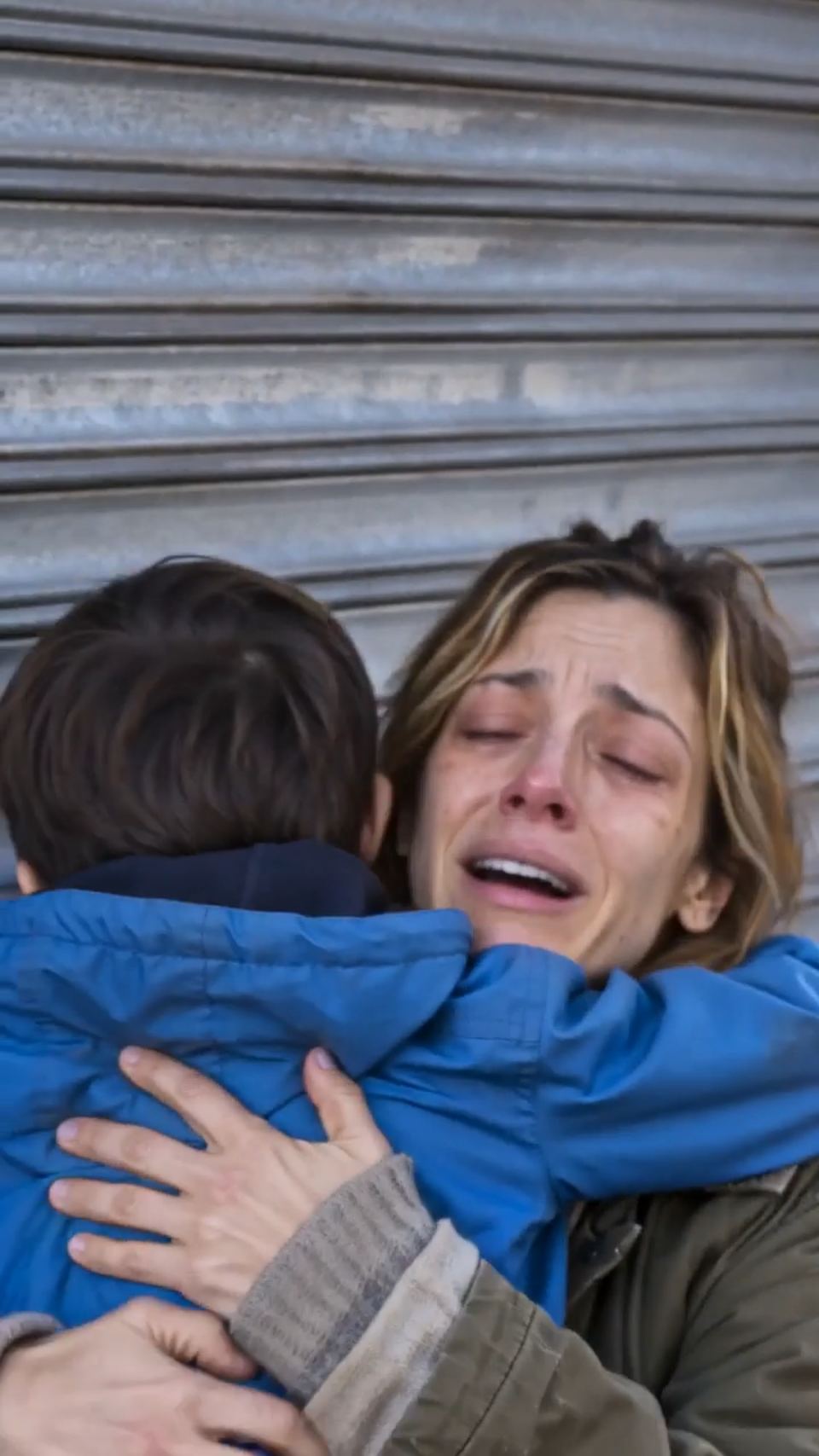
Martha looked at Gerald for a long moment. This was the man she had once waited for by the window. The man she had excused. The man whose return she had feared and hoped for because loneliness can make cruelty look like fate.
Now he just looked small.
"I want him gone," she said.
Gerald stared at her. Then he laughed bitterly. "And where will you be without me?"
Tommy answered, "Safe."
Two local officers stepped from the second car.
Gerald backed away. "This is madness. Over old soup and street brats?"
Tommy's gaze sharpened. "Not over soup. Over the fact that when the world let three boys starve, one poor woman fed them anyway. Men like you count on kindness being weak. You were wrong."
As the officers led Gerald away, he shouted, "Rich men always want something!"
Martha flinched.
Tommy heard it.
He turned to her gently. "He's wrong. But there is something we want."
Martha looked at him warily.
"We want you to come with us tomorrow. There is a building downtown with your name waiting over the door."